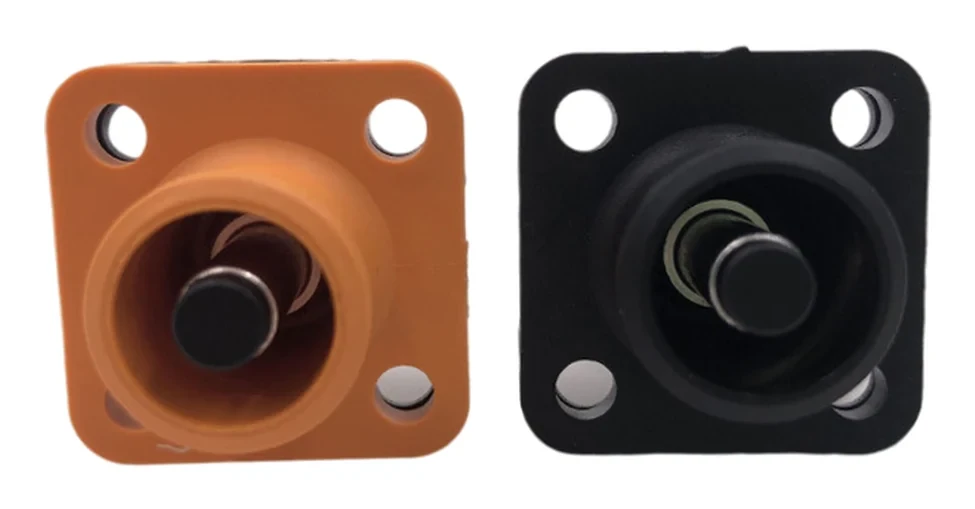
Flange, stud or waist-hole: choosing a panel socket termination
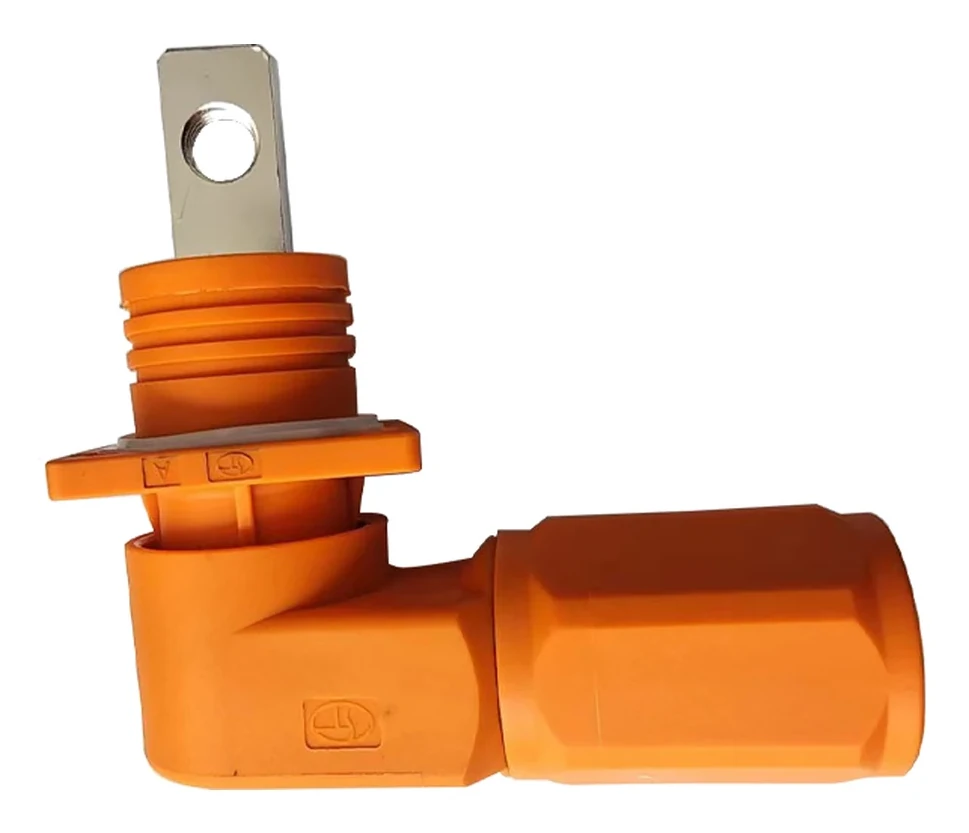
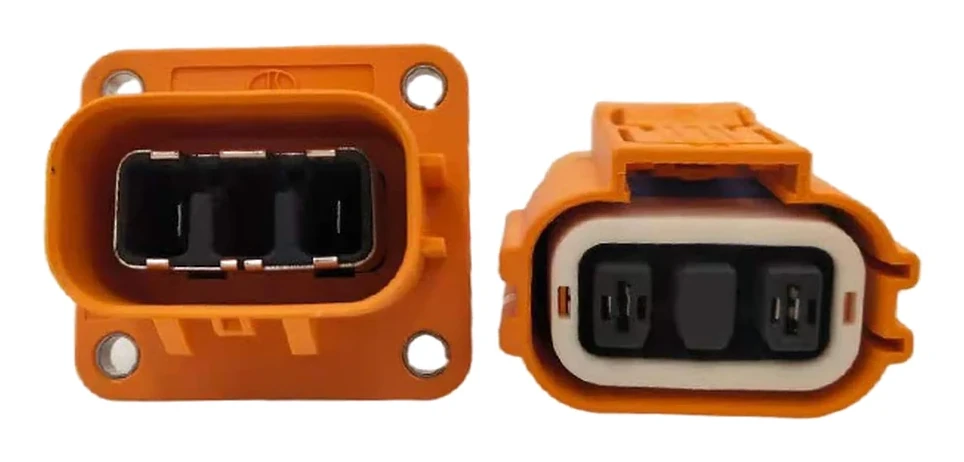
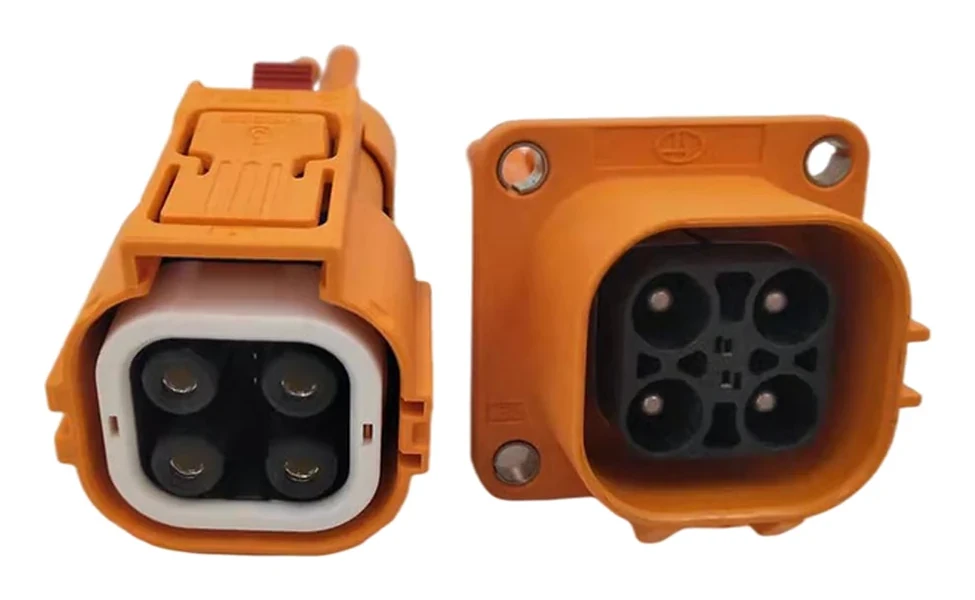
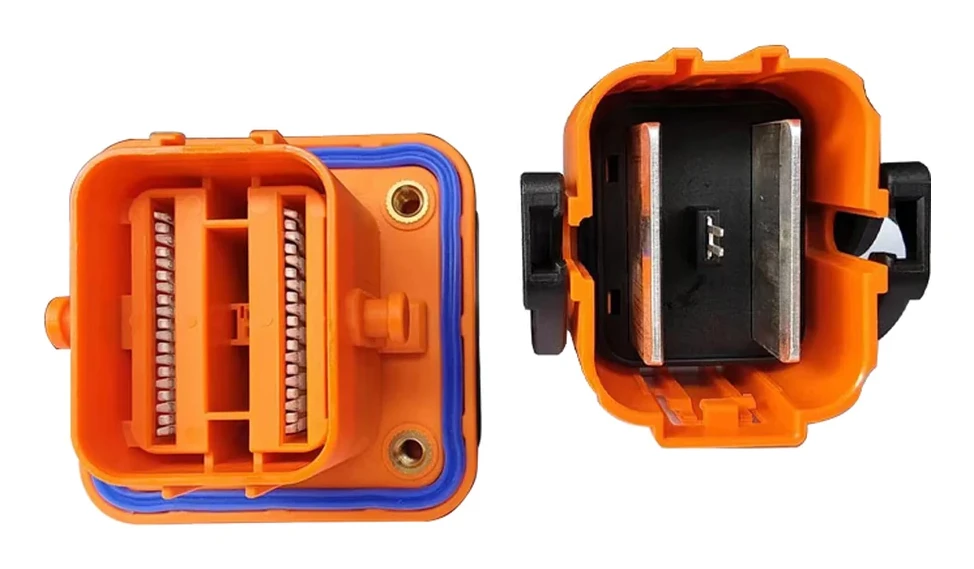
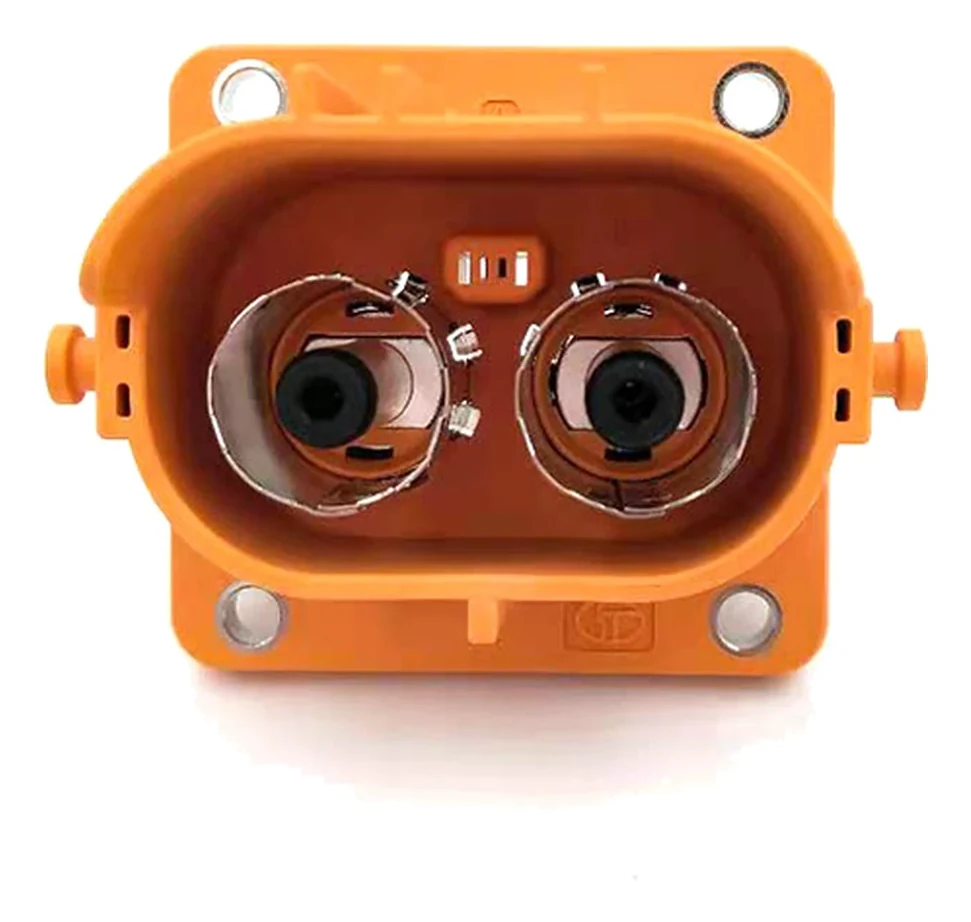
Two sockets that look identical on a photo can differ entirely in how they bolt to a busbar. The termination is where most of the assembly time lives.
Read the noteShort, specific pieces about the parts in this catalog: how the pricing works, how to size a high-voltage or energy-storage connector, how to read a supplier listing, and what the published specifications do and do not cover.
Two sockets that look identical on a photo can differ entirely in how they bolt to a busbar. The termination is where most of the assembly time lives.
Read the noteSupplier pages are built for buyers in a hurry. Four specific habits on those pages will mislead an export buyer who reads them literally.
At 5 A and 12 V, contact resistance matters more than ampacity. That is the case for gold — and the reason it is wasted on a mains connector.
A 50-piece minimum per model is not a negotiating position, it is a production batch size. Understanding it makes a mixed order much easier to place.
Energy-storage connectors look like EV connectors and are specified differently: the cable is bigger, the current is continuous, and the terminal is often a threaded stud rather than a crimp.
A connector that carries IP67 is not automatically a waterproof assembly. The rating describes a mated pair in a test, and three practical details decide whether it holds on a vehicle.
A connector that is out of stock is usually not out of the shell — it is out of one contact size. Understanding why makes a difference to the order plan.
An MSD is not a fuse and a fuse is not an MSD. Getting the two roles straight decides the rating, the mounting and whether the part belongs in the pack at all.
Both barrels are rated 250 A, so the choice is not about current. It is about how many cores the harness needs and which cable range the contact will accept.